

Understanding What Gambling Sites Are Not
The online gambling industry is vast and varied, filled with a plethora of websites that cater to an equally diverse audience. However, not every gambling site is created equal. This article aims to clarify what defines gambling sites that are not respectable or reliable, particularly focusing on what gambling sites are not on GamStop gambling websites not on GamStop, which have become increasingly popular among players looking for alternatives to traditional options.
1. The Importance of Licensing and Regulation
One of the primary factors that differentiate reputable gambling websites from those that are not is their licensing and regulation status. Licensed gambling sites are overseen by regulatory bodies that ensure fair play, responsible gambling, and the protection of players’ personal and financial information. In contrast, sites without proper licensing may operate without regulatory oversight, leading to increased risks for players.
A reliable gambling site will prominently display its licensing information, usually at the bottom of the homepage. Common licensing authorities include the UK Gambling Commission, the Malta Gaming Authority, and the Gibraltar Gambling Commissioner. If a site lacks this information, or if verification of its legitimacy fails, it is a strong indicator that the site is not reputable.
2. The Role of GamStop in Player Safety
GamStop is a free self-exclusion service that allows players in the UK to take a break from gambling by signing up to exclude themselves from licensed online gambling sites. While GamStop is a valuable tool for promoting responsible gambling, there are many gambling websites not registered with GamStop. This presents a significant risk for those who may want to control or limit their gambling activities.
It is essential for players to recognize that sites not on GamStop may not have the same safety mechanisms in place. Therefore, individuals seeking to gamble in a responsible manner should exercise caution and conduct thorough research before engaging with any online gambling platform.
3. Lack of Customer Support
A reliable gambling website offers robust customer support to assist its players with any issues or questions they may have. This typically includes multiple options for communication such as live chat, email, and telephone support. In contrast, sites that are not reputable may lack effective customer support channels or, worse, fail to respond to player inquiries altogether.
When a gambling site does not provide adequate support, it can be a warning sign that the site lacks professionalism and should be approached with caution. Players should ensure they have access to reliable support before wagering any funds.
4. Transparency and Fair Play
Transparency is a critical component of any reputable online gambling site. This includes providing players with clear information about the games offered, payout percentages, and the house edge. Gambling sites that are not straightforward about their operations may utilize unfair practices, which can result in the loss of funds for unsuspecting players.
Players should also look for information about the site’s random number generators (RNGs) and how frequently they undergo independent testing to ensure fair play. Reputable sites will take pride in their transparency and readily share information about their operations.
5. Payment Methods and Security
The variety and security of payment methods offered by a gambling site can also indicate its reliability. Reputable sites will provide multiple payment options, including well-known credit cards, e-wallets, and bank transfers while utilizing strong encryption protocols to protect players’ financial data.
Conversely, gambling websites that are not secure may only offer limited payment options or lack adequate protection measures for player data. This can expose players to fraud and theft, underscoring the need for thorough evaluations before engaging with any online gambling site.
6. Player Reviews and Reputation
One of the best ways to gauge the reliability of a gambling site is to consider player reviews and the site’s overall reputation. Independent review platforms and forums can provide valuable insights into the experiences of other players, highlighting potential red flags associated with specific sites.
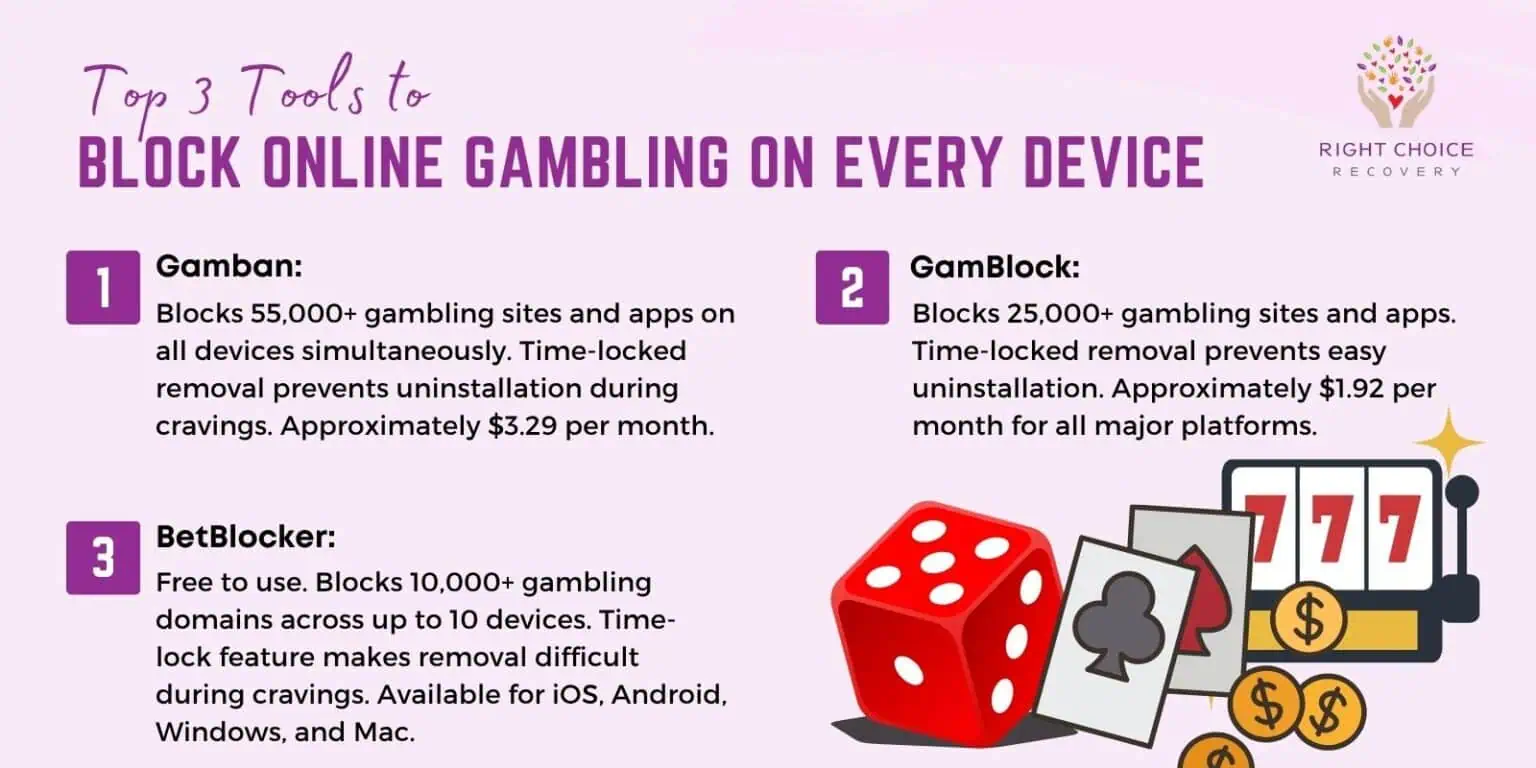
When investigating a gambling site’s reputation, consider looking for mentions of payment issues, withdrawal problems, or lack of support. Consistently negative feedback is a strong signal that the site may not be trustworthy.
7. Bonus Terms and Conditions
Many gambling sites offer enticing bonuses to attract new players. However, it’s essential to scrutinize the terms and conditions attached to these bonuses. Reputable sites will have clear and fair terms, while sites that are not credible may impose unrealistic wagering requirements or hidden restrictions that make it difficult to withdraw winnings.
Always read the fine print before accepting any bonuses to ensure you understand what is required to benefit from these offers.
Conclusion
In summary, while the online gambling landscape is filled with numerous opportunities, it is crucial for players to remain vigilant and informed about what constitutes reputable gambling sites. By understanding the importance of licensing, customer support, transparency, payment security, player reviews, and bonus conditions, individuals can make better decisions about where to gamble online. Particularly, those considering gambling websites not on GamStop should take extra precautions to safeguard their gambling experience.