
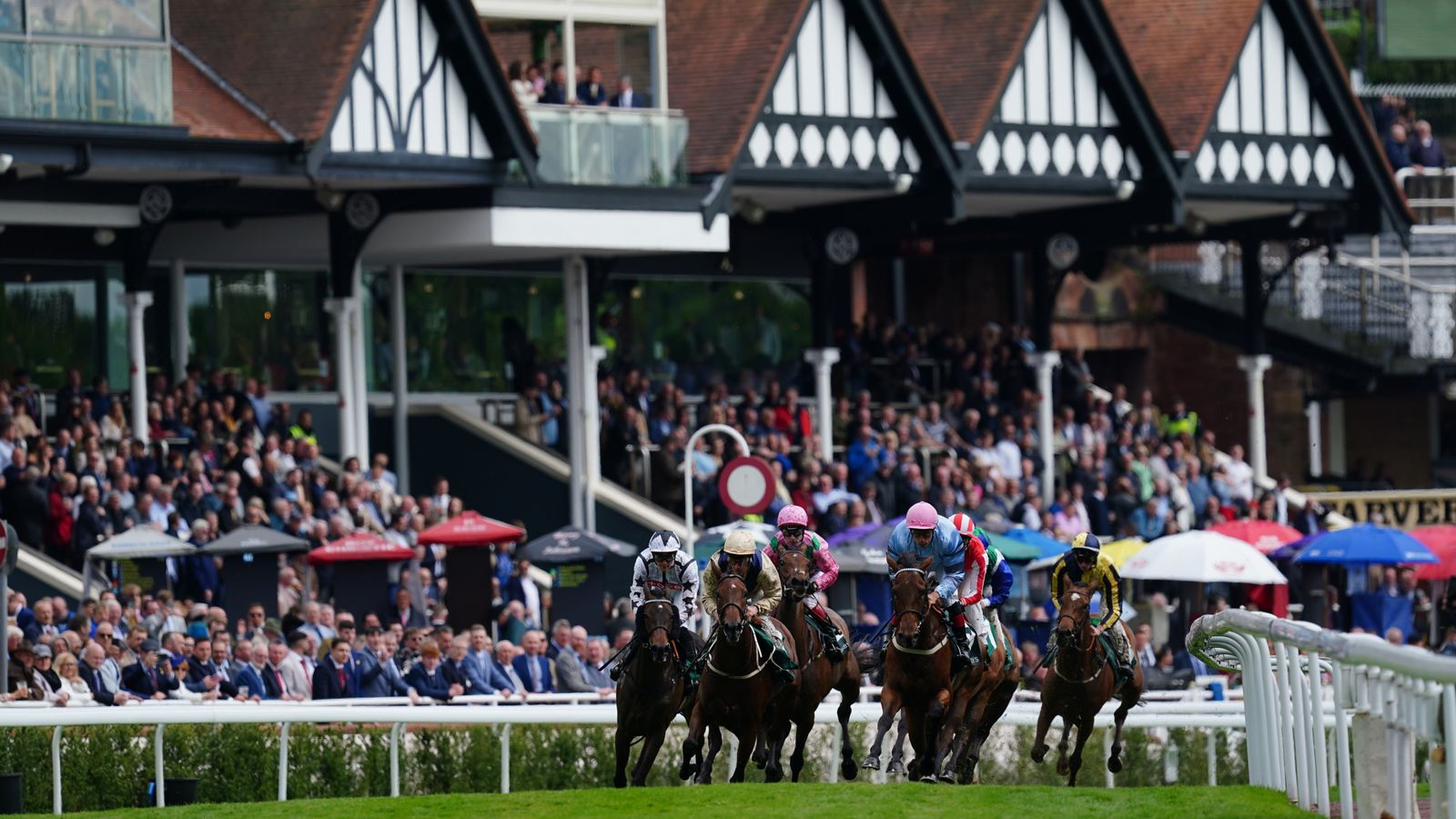
Understanding UK Horse Racing: What Happens When Races Are Not Held?
Horse racing in the UK is a beloved sport with a rich history, drawing in fans, bettors, and equine enthusiasts from all corners of the nation. However, there are times when races are not held, whether due to adverse weather conditions, logistical issues, or public health concerns. UK Horse Racing Not on GamStop https://bartonstdavid.org.uk/ In this article, we will explore the various reasons why UK horse racing may be disrupted, the implications of such disruptions, and how they affect stakeholders in the industry.
Historical Context of UK Horse Racing
Horse racing has been a staple of British culture since the time of the Romans, evolving with each century to become a formalized sport with diverse events ranging from flat racing to jumps. Iconic races like the Grand National and the Derby are etched into the cultural fabric of the UK, and millions follow these events each year. However, the sport is not without its challenges, including the occasional cancellation of races.
Reasons for Race Cancellations
There are several predominant reasons why horse races in the UK might not occur as scheduled. Understanding these can shed light on the operational complexities of the sport.

Adverse Weather Conditions
One of the most common reasons for race cancellations is inclement weather. Heavy rainfall, snow, or extreme temperatures can lead to unsafe track conditions. The safety of horses and jockeys is paramount, leading race officials to call off events to prevent accidents and injuries.
Logistical Issues
Logistical problems can also play a significant role in the cancellation of races. This can include issues such as equipment failure, transportation delays, or even staffing shortages. Each race requires a detailed plan, and any hiccup in the logistics can result in a cancellation.
Public Health Concerns
The COVID-19 pandemic demonstrated just how fragile the horse racing calendar can be. Public safety measures often forced tracks to close, resulting in numerous cancellations and the suspension of racing schedules. Although racing has resumed in many places, the potential for future health crises remains a concern.
Implications for Industry Stakeholders
When races are not held, the impact ripples through various sectors of the horse racing community.
For Betters
Bettors are significantly affected when races are canceled. Not only do they miss the excitement of wagering, but they also face lost opportunities for potential wins. Bookmakers also feel the pinch as they lose anticipated betting revenue, which can be substantial during prominent racing events.
For Owners and Trainiers
For horse owners and trainers, canceled races can disrupt training schedules and financial plans. Horses are typically bred and trained with specific races in mind, and when these events are canceled, it can hinder a horse’s career trajectory. Additionally, training facilities may incur losses due to a lack of race day traffic.
For Fans
Devotees of horse racing often plan their schedules around major events, and cancellations can lead to disappointment. Some fans may also lose interest in the sport if they perceive issues with reliability and consistency.
Mitigation Strategies
To counter these disruptions, the UK horse racing industry has been implementing various strategies. From improving weather forecasting services to enhance logistical planning and risk assessments, these measures aim to minimize the impact of cancellations.
Improved Safety Protocols
Prioritizing
safety ensures that all relevant parties are aware of the steps to take if weather conditions pose a threat. Widespread adoption of effective risk mitigation tactics can protect not only horses and jockeys but also the reputation of the sport.
Alternatives for Betters
Some bookmakers are increasingly offering alternatives when races are canceled, such as virtual racing or betting on international events. These options provide bettors with continued engagement and maintain interest in the sport despite local cancellations.
Conclusion: The Future of UK Horse Racing
While cancellations in UK horse racing will always be an unfortunate possibility, the industry’s resilience and adaptability continue to shine through. By understanding the myriad reasons that can prevent races from being held and the implications of such occurrences, stakeholders—from fans to bettors and industry professionals—can better navigate this beloved sport. Future innovations in technology and safety protocols are likely to play pivotal roles in minimizing disruptions and enhancing the overall experience of horse racing in the UK.