
The Power of Ambience
Casinos have long mastered the art of creating an alluring environment designed to keep players engaged. The use of colors, sounds, and lighting plays a vital role in shaping the overall atmosphere. Bright lights and vivid colors stimulate excitement and energy, encouraging players to continue their experience. Additionally, the sound of slot machines dinging and chips clattering creates an auditory backdrop that reinforces the thrill of winning. For those looking to deepen their understanding of effective management, it’s useful to read more about resource governance.
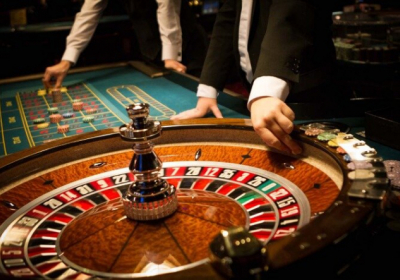
Moreover, the layout of casinos is strategically constructed to promote exploration. By placing games in a labyrinthine setup, players often find themselves drawn into new areas, furthering their chances of playing and spending. This sensory overload, combined with a focused atmosphere, creates a psychological high that entices individuals to stay longer and gamble more.
The Role of Reward Systems
Another psychological strategy employed by casinos is the implementation of reward systems that foster positive reinforcement. Players often receive complimentary drinks, meals, or even hotel stays, which may enhance their overall experience and create a sense of loyalty to the casino. This phenomenon is grounded in behavioral psychology; the more reward a player receives, the more likely they are to return in hopes of similar benefits.
Furthermore, loyalty programs are essential in maintaining player interest. These programs not only track a player’s spending but also offer tiered rewards that increase with continued play. The anticipation of unlocking higher tiers creates a sense of accomplishment, making players more prone to engage in longer gambling sessions to reap the benefits.
The Illusion of Control
Casinos also capitalize on the human desire for control through the design of their games. Many games, such as blackjack and poker, require a degree of skill or strategy, which can lead players to believe they have more control over their outcomes. This perceived control can significantly enhance the enjoyment of gambling, making players more inclined to participate.
This illusion is further bolstered by near-miss scenarios, where players come close to winning. Research shows that near-misses can lead to increased excitement and motivation to keep playing, as players may believe that their next round could lead to a win. By creating this cognitive bias, casinos can encourage players to spend more time and money on their games.
The Impact of Social Factors
The social aspect of gambling is another critical element that casinos exploit. Many players enjoy the camaraderie and excitement of gambling in a social setting, which encourages them to spend more time at the tables. Casinos often encourage group play by hosting tournaments and events that foster interaction and competition among players.
The presence of other players can heighten the overall experience, leading to a shared sense of excitement. This social engagement can make players more willing to spend money, as they seek to be part of the collective thrill. Consequently, the social dynamics in a casino setting can significantly influence gambling behavior and spending habits.

Understanding Water Governance
While this article has explored the psychological strategies that casinos employ to entice players, it is important to note that understanding various governing factors within different industries is equally vital. Water governance, for instance, focuses on the effective management of water resources and emphasizes the need for sustainable practices.
Engaging with platforms that promote discussions around water governance can provide valuable insights into how to manage resources responsibly. This parallels the importance of understanding the influences at play in gambling and encourages informed decisions, whether in gaming or resource management. Exploring such topics allows for a more nuanced understanding of the world we inhabit.